
6 - 10 Sep 2026
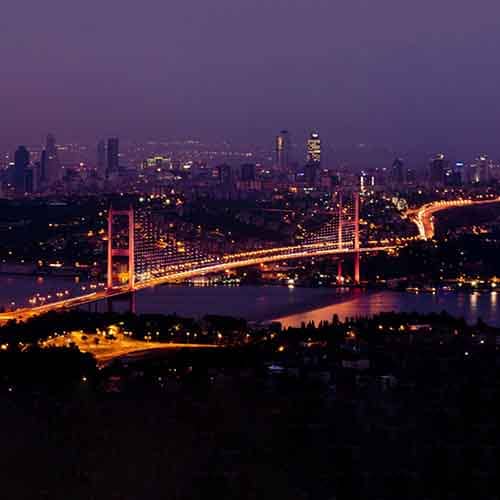
Istanbul (Turkey)
Hotel : DoubleTree by Hilton Istanbul Esentepe
Cost : 6825 € Euro
Introduction
The Standards of Training, Certification and Watchkeeping (STCW) Convention, as amended by the 2010 Manila Amendments, sets the global benchmark for the training, certification, and competency of seafarers. These amendments introduced significant updates to address modern maritime challenges, including new technologies, enhanced safety requirements, and stricter compliance measures.
This program, developed by Global Horizon Training Center, provides a comprehensive analysis of the STCW 2010 requirements, focusing on regulatory frameworks, competency standards, certification processes, and implementation strategies. It is designed to help maritime professionals and organizations understand, interpret, and apply STCW requirements effectively.
Participants will gain practical insights into compliance, auditing, training frameworks, and competency management, ensuring alignment with international maritime standards.
Course Objectives
By the end of this program, participants will be able to:
- Understand the structure and requirements of STCW 2010 amendments
- Analyze competency standards and certification frameworks
- Interpret STCW tables and competency requirements
- Ensure compliance with training and certification regulations
- Evaluate gaps in competency and training systems
- Apply STCW requirements within organizational frameworks
- Prepare for audits and inspections related to STCW compliance
- Enhance workforce competency and operational safety
Target Audience
This program is designed for:
- Maritime Training Managers and Instructors
- Ship Management and Fleet Personnel
- Marine HR and Crewing Managers
- Ship Masters and Officers
- Maritime Authority and Regulatory Staff
- Compliance and Audit Professionals
Outline
Day 1: Introduction to STCW 2010 Framework
- Overview of STCW Convention and Manila Amendments
- Structure of STCW (Articles, Regulations, Code)
- Key changes introduced in 2010 amendments
- Roles of flag states, training institutions, and companies
- Overview of STCW compliance requirements
Day 2: Competency Standards and Certification Requirements
- STCW competency tables (A-II, A-III, A-VI, etc.)
- Certification pathways for officers and crew
- Training requirements and mandatory courses
- Watchkeeping standards and responsibilities
- Medical fitness and certification validity
Day 3: Implementation and Compliance Analysis
- Applying STCW requirements within organizations
- Gap analysis of training and competency systems
- Compliance monitoring and documentation
- Role of maritime administrations and training centers
- Case studies on STCW implementation challenges
Day 4: Audits, Inspections, and Quality Assurance
- STCW audits and approval processes
- Internal and external inspections
- Quality standards for maritime training institutions
- Managing non-conformities and corrective actions
- Continuous improvement in training systems
Day 5: Strategic Competency Management and Future Trends
- Integrating STCW with competency frameworks
- Workforce planning and skill development
- Digital learning and simulation in maritime training
- Emerging trends in maritime training and certification
- Final workshop: Developing a STCW compliance and training plan

