
Training Course: Comprehensive Welding
Training Course: Comprehensive Welding
4 - 8 Oct 2026
Istanbul (Turkey)
Hotel : DoubleTree by Hilton Istanbul Esentepe
Cost : 6825 € Euro
Introduction
Welding is a critical fabrication process used across industries such as construction, oil & gas, manufacturing, and infrastructure. A comprehensive understanding of welding techniques, materials, inspection methods, and quality standards is essential to ensure structural integrity, safety, and operational efficiency.
This program, designed by Global Horizon Training Center, provides participants with in-depth knowledge and practical skills covering all major aspects of welding, from fundamental processes to advanced applications and quality control.
Course Objectives
By the end of this program, participants will be able to:
- Understand a wide range of welding processes and applications
- Select appropriate welding techniques based on materials and requirements
- Identify welding equipment and consumables
- Apply welding procedures and parameters effectively
- Understand welding metallurgy and material behavior
- Inspect and evaluate weld quality using standard methods
- Identify and prevent welding defects
- Ensure compliance with international welding standards
Target Audience
This program is designed for:
- Welding Engineers and Technicians
- Fabrication and Construction Professionals
- Mechanical and Maintenance Engineers
- Quality Control and Inspection Personnel
- Supervisors and Managers in welding operations
- Individuals seeking comprehensive welding knowledge
Outline
Day 1: Fundamentals of Welding and Processes
- Introduction to welding technology
- Overview of welding processes (SMAW, GMAW, GTAW, FCAW, SAW)
- Welding equipment and consumables
- Welding terminology and standards
- Safety practices and hazard control
Day 2: Welding Techniques and Applications
- Arc welding techniques and parameters
- Gas welding and cutting processes
- Process selection based on materials and applications
- Joint design and preparation
- Welding position and techniques
Day 3: Welding Materials and Metallurgy
- Properties of metals and alloys
- Welding metallurgy and heat-affected zone (HAZ)
- Preheating and post-weld heat treatment
- Material compatibility and weldability
- Residual stresses and distortion control
Day 4: Welding Inspection and Quality Assurance
- Welding inspection methods (visual, NDT)
- Welding defects and discontinuities
- Quality standards (AWS, ISO, ASME)
- Weld testing and acceptance criteria
- Documentation and reporting
Day 5: Advanced Welding Practices and Troubleshooting
- Welding procedures and specifications (WPS, PQR, WPQ)
- Troubleshooting welding issues
- Improving welding quality and productivity
- Automation and modern welding technologies
- Case studies and real-world applications
Training Course: Comprehensive Welding
Training Course: Comprehensive Welding
4 - 8 Oct 2026
Istanbul (Turkey) - DoubleTree by Hilton Istanbul Esentepe
Hotel : DoubleTree by Hilton Istanbul Esentepe
Cost: 6825 € Euro
About Istanbul
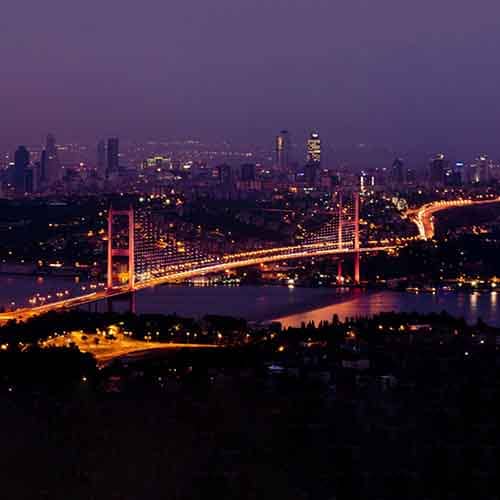
Few places compare to the vibrant, cosmopolitan city of Istanbul, whose enormous size straddles both Europe and Asia, forming a bridge between western and eastern cultures. Resting upon the natural harbor of the Golden Horn, the skyline of the once-Constantinople is pierced with minarets and ancient monuments that embody centuries of history. While it is brimming with historical landmarks and colorful markets, modern Istanbul is also well represented through its contemporary art scene, European-style café culture, world-class dining venues.
Things to do and places to visit in Istanbul
Istanbul is teeming with attractions and landmarks from historic sights and unique cuisine to lively markets and unmistakable culture. It is a thriving city, with a myriad of things to do that skillfully manage to blend every aspect of both the contemporary and the historical world.
On a city break in Istanbul be sure to:
- Visit a hammam, a traditional Turkish bath, whose origins date back to Roman times.
- Marvel at the Hagia Sophia, Süleymaniye Mosque and Blue Mosque, Istanbul's most spectacular monuments that dominate the skyline.
- Explore the Topkapi Palace Museum, one of Istanbul's most visited museums, home to over 80,000 artifacts.
- Walk through the Basilica Cistern, an underground marvel built in the 4th century.
- Be dazzled by the Grand Bazaar, one of the world's oldest and largest covered markets.
- Go shopping for exotic products and Turkish delights in the Spice Bazaar.
- Cross the bridge connecting Europe and Asia against the backdrop of the Bosphorus, or take a Bosphorus cruise.
- Taste the diversity and flavor of Turkish cuisine.
- Admire panoramas of the city from the Galata Tower.
- Walk through Taksim Square, the city's dynamic square that never sleeps.
Tel : 00201095004484 - 00905357839460
Website : wwww.gh4t.com
E-mail : training@gh4t.com

